Any nonprofit can build corporate partnerships. Here’s how.
I've spoken to a lot of nonprofit leaders about corporate fundraising, and the conversation almost always starts the same way.
They spend the first few minutes trying to convince me their organization just isn't a good fit for corporate dollars. Their mission is too niche. Too local. Too soft. No corporate executive would ever care.
I get it. Those beliefs don't come out of nowhere. They come from board members, sector colleagues, and well-meaning leaders who don't actually understand corporate fundraising and quietly pass their own doubts along.
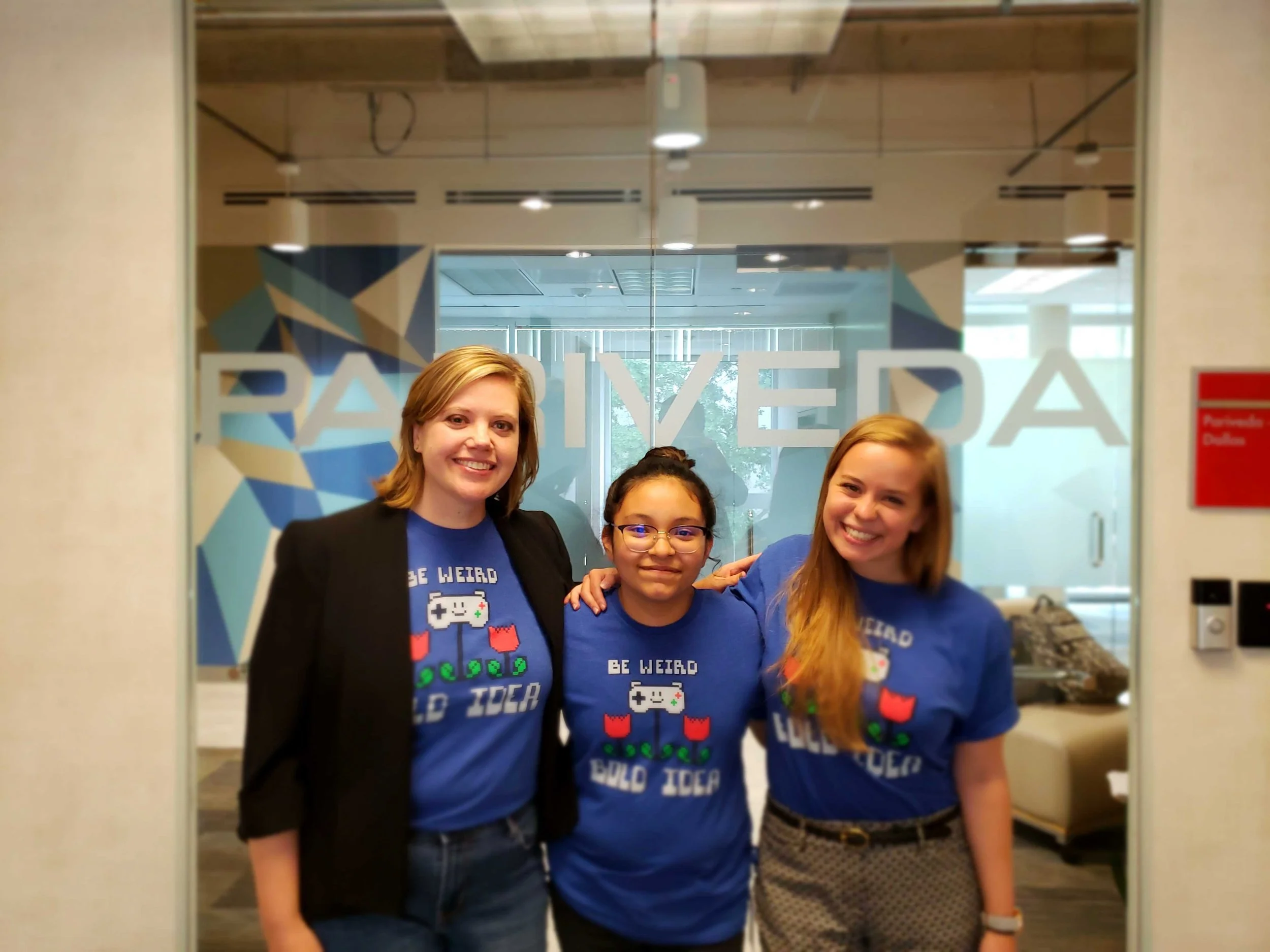
I used to carry that story too. When I led Bold Idea, I genuinely thought we had a rare advantage with workforce development, technology education, and direct relevance to local employers. Of course companies would fund us. But most nonprofits? I assumed it was harder for them.
I was wrong.
Here's what I know now: any nonprofit can position itself for a corporate partnership. A bank branch. A mid-sized consulting firm. A Fortune 50 company. The fit is almost always there. You just have to know where to look for it, and how to approach it.
What follows is everything I've learned about doing that well, from the first piece of research to the renewal conversation three years in.
Start with research, not a pitch
Before you reach out to anyone, do your homework. Make a list of companies in your city and in the communities you serve and don't self-limit geographically. A company headquartered in the suburbs may have a deep investment in urban neighborhoods. Think broadly: regional banks with community branches, national companies with local offices, mid-sized employers. They're all fair game.
Then, for each company, visit their website and look for two things:
A community investment or CSR page. This usually outlines their giving pillars, current nonprofit partners, and how to apply for funding or volunteer opportunities. It tells you exactly what they care about. Read it.
Their values language. Look for words that mirror your mission, even indirectly. A financial services firm might explicitly fund financial literacy — but it may also care about economic mobility, workforce development, or STEM. The connection is often there if you look for it.
This is the step most nonprofits skip, and it's the one that makes everything else work. A blanket pitch says "I didn't do my homework." Companies can tell.
Don't just go to CSR
This is one of the biggest missed opportunities I see.
CSR is one door in. But Employee Resource Groups (internal, employee-led groups organized around shared identities or interests like women, Black employees, Latinx employees, LGBTQIA+, veterans, young professionals, and families) are an entirely separate one. And they're often wide open.
ERGs are actively looking for community organizations to engage with, volunteer alongside, and fund. They move faster than a formal grant process, and they can become powerful champions for your work inside a company. Don't overlook them. HR, marketing, and individual executives can all be champions too. One company is many possible doors; not just one.
Activate the network you already have
The warmest path to a corporate partner is almost always sitting on your board.
Ask your board members and existing volunteers to open their LinkedIn and look at their first- and second-degree connections. Second-degree connections, the people your contacts know, are gold. A warm introduction from a mutual connection dramatically increases your response rate.
I learned this the hard way. Early in my own nonprofit career, I sent cold emails that tried to say everything, including our mission, our programs, our impact, and our ask, all in one message. They went nowhere. It took me longer than I'd like to admit to realize that a long, generic email doesn't open doors. It gets deleted.
Meanwhile, the warm connections already sitting on a board often go unasked. Don't let yours.
Make first contact short and specific
Cold outreach does work when it's done well. The problem is that most of it isn't.
The most common mistake I see isn't the wrong company or the wrong contact. It's the wrong approach: long emails, everything-but-the-kitchen-sink descriptions of the organization, attachments, and a big ask right out of the gate.
Here's what actually works:
Keep it short. Three to four sentences, max. Introduce yourself and get out.
Make it specific. Name something real about their company, like a giving pillar, a community initiative, a value that mirrors your mission. Show them you did your homework.
Make one easy ask. Not a grant. Not a sponsorship. Just 30 minutes to connect, virtually or in person.
The goal of the first email isn't to close the deal. It's to start the conversation.
The first meeting is a conversation, not a pitch
Landing the first meeting is a real win. Don't squander it by talking about yourself the whole time. Come prepared with a short pitch deck that is five slides, covering your mission, your impact data, your ask, what's in it for them, and proposed next steps. But lead with curiosity. Spend more time asking questions than presenting:
What does community giving look like at your company?
What causes or pillars do you currently prioritize?
Who do you currently partner with?
What does a successful partnership look like from your side?
Their answers will shape how you frame your ask and often reveal opportunities you didn't know existed.
And before you leave, set a concrete next step. A program site visit. A small group of volunteers for an upcoming event. A modest initial contribution to test the relationship. Every first meeting should end with a clear, specific follow-up action.
Offer a menu, not an ultimatum
Companies engage in different ways. The best partnerships start by presenting options, not demands.
On the funding side, that might look like tiered organizational sponsorships with named levels tied to concrete outcomes, a "Powered by [Company]" program sponsorship, event sponsorships with recognition benefits, or corporate grants (which, unlike foundation grants, are shorter, more conversational, and best pursued after you've built a relationship).
But funding is only part of it. Companies can also offer:
Volunteers — one-time event teams, ongoing mentors and tutors, or pro-bono legal, financial, and marketing services you'd otherwise pay for.
Board and advisory service — a powerful long-term engagement tool, including young professional boards that bring in early-career employees.
In-kind goods and space — supplies, technology, meeting rooms, event venues.
When you frame the relationship as a menu, you let the company find the entry point that fits them. That's how one-time gifts become multi-year partnerships.
Pitch the multi-year relationship, not the one-time gift
A multi-year partnership is more valuable for everyone. It deepens your impact, reduces your acquisition costs, and gives the company a sustained story to tell about their community investment.
Both sides win. The nonprofit gains credibility from a recognized brand, funding that can grow over time, volunteers, in-kind goods, and sometimes space. The company gains cause marketing, volunteer opportunities their employees actually want, alignment with their ESG and DEI goals, and real impact data showing their investment is working.
Name that value exchange out loud. When a company understands what they're getting (not just what they're giving), the conversation changes.
Securing the partner is the starting line, not the finish line
Getting a company to say yes is not the end. It's the beginning. I see this all the time: a nonprofit works hard to land a corporate partner, the check arrives, and then it’s radio silence until renewal season. And then they're surprised when the company doesn't come back.
Corporate partnerships don't renew on their own. They renew because you made the partner feel connected to your work all year long. That looks like:
Reporting impact before they ask. Don't wait for a deadline. Send a quick update when something good happens — a student milestone, a program win, a number that moved.
Creating visibility. Tag partners in posts, recognize them in your newsletter, feature their volunteers in your content (with permission).
Inviting them in. Program visits, volunteer days, and events deepen their connection to your mission.
Staying in touch year-round. A brief quarterly check-in keeps the relationship warm and positions you well when renewal comes up.
Escalating the ask. As trust builds, propose bigger things — more volunteers, a multi-year commitment, a named program, a board seat.
The funding follows trust
If there's one thing I want every nonprofit leader to take away, it's this: corporate partnerships aren't about having the most impressive mission or the biggest brand connections. They're about showing up prepared, curious, and ready to listen. Then nurturing the relationship long after the first check clears.
You don't need a bigger budget. You need a better approach. The fit is almost always there. Go find it.
